September 29, 2026
ADA Certified Portable Toilets: Comprehending Door Maneuvering Clearances
By @erickcoin918
When individuals ask whether an ada compliant mobile toilet is "large sufficient," they are typically asking the wrong question.
Size issues, obviously, but it is only component of the tale. A mobile system can look roomy from the outside and still stop working the person that requires to go into, close the door, reposition, and leave without strain or threat. That is where door navigating clearances ended up being so vital. They rest at the junction of dignity, safety, and ordinary practicality.
If you collaborate with momentary washrooms commonly, you learn swiftly that ease of access troubles seldom reveal themselves in a spec sheet. They turn up when a guest in a mobility device can not angle into the entrance easily. They turn up when somebody needs more room to manage the door than the arrangement enables. They turn up when a device that seemed fine in the lawn ends up being challenging to use once it is gone down onto soft ground or crowded right into a tight row at an event.
For ada certified mobile washrooms, the government framework is clear on the huge image. The regulating criterion in the USA is the 2010 ADA Requirements for Accessible Design, as translated by the Access Board and the Division of Justice. Mobile accessible systems require an obtainable path and entrance. They need to satisfy toilet-room technological demands, consisting of transforming area, component clearances, applicable grab bar and water closet clearance guidelines, and door maneuvering clearances. That last piece is easy to neglect until you realize how many access failures begin and finish at the door.
The door is not a little detail
An entrance is not merely an opening in a wall surface. For several individuals, it is the hardest component of the experience.
Think about what happens in actual use. A person approaches the device, positions themselves to operate the door, manages the swing, gets in while keeping balance or movement device control, then closes the door behind them. Later on, they repeat the process in reverse. If there is not enough space to navigate on either side of that door, the trouble is not aesthetic. The device can come to be frustrating, exhausting, or successfully unusable.
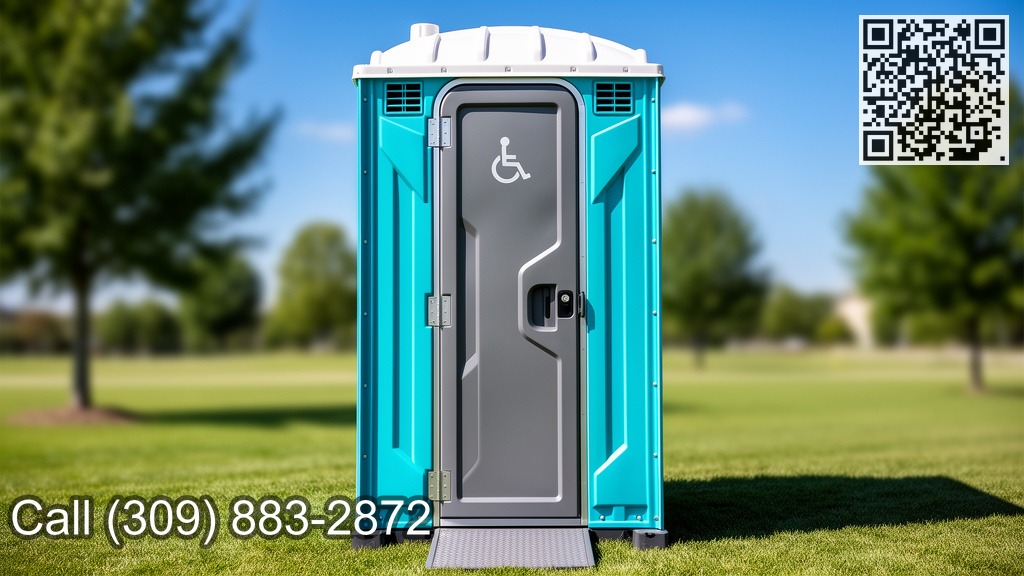
That is why the ADA technological requirements deal with door maneuvering as part of accessibility, not as a great added. An ada obtainable mobile washroom has to work in activity, not simply on paper.
People sometimes assume that if the interior has sufficient transforming area, the task is done. In technique, the course via the doorway matters just as much. You can have good interior space and still develop a bad experience if the access problem forces awkward positioning. This turns up commonly at fairs, outside wedding events, local events, jobsite assistance areas, and emergency feedback arrangements where every foot of positioning space really feels precious.
The temptation is always to put the ada mobile restroom against a fence line, generator, barricade, or adjacent device to conserve room. That is frequently the minute maneuvering clearance starts to disappear.
What the criteria call for, in plain language
The validated government guidance tells us several points that matter here.
Portable easily accessible units have to fulfill the toilet-room technological needs, which consists of door handling clearances. They additionally require an accessible path and entry, and if ramps or landings are needed, those aspects have to abide by ADA technical needs too. For clusters of mobile single-user toilets, at least 5 percent of the devices in each collection should be accessible, which rule uses even at temporary occasions. Easily accessible systems need to also be identified with the International Icon of Accessibility.
Those requirements audio uncomplicated, but the area problems are where judgment issues. Door steering clearance is not only regarding the device itself. It is likewise concerning just how and where the system is put. A certified device can be threatened by an inadequate format. A thoughtful design can maintain accessibility even on a tough site.
That is the component many buyers, organizers, and also some knowledgeable teams miss out on. Conformity is not just an issue of purchasing an ada-compliant mobile toilet. It is additionally a matter of mounting it in a way that enables the needed access features to work as intended.
Where jobs go wrong
The most typical problems with an ada compliant portable toilet rental do not normally originated from bad objectives. They come from hurried planning, crowded websites, and assumptions.
A portable bathroom provider might send a suitable unit, however the delivery spot is sloppy, sloped, or separated by cords and momentary secure fencing. An occasion coordinator may reserve ada compliant accessible mobile restrooms, but put them at the far side of the website where the path is tough or obstructed. A building and construction manager might understand that unit requires to be accessible, however not believe meticulously about exactly how the door really operates when the system is bordered by tools or stacked materials.
Door handling clearances are especially prone because they are unseen to individuals that do not require them. If you are able-bodied, it is easy to look at an unit and think, "There is lots of space." Yet handling is not measured by visual perception alone. It relies on method, reach, placement, door operation, and functional space before and after passing through the opening.
This is one factor ease of access problems frequently entail arrangements that seemed reasonable to every person on website up until somebody tried to use them under real conditions.
Placement can make or damage an available mobile restroom
The available path becomes part of the same conversation as the door. If somebody can not come close to the entrance correctly, maneuvering clearance becomes theoretical.
Imagine an ada handicap accessible portable bathroom placed at the end of a row on compact gravel. If the route to it is secure and unblocked, and the area around the entry is maintained so the door can be handled comfortably, the device has a dealing with opportunity of executing as meant. Move that exact same device onto uneven ground, group it tightly versus obstacles, or leave no practical room around the access, and the user might have a hard time prior to even crossing the threshold.
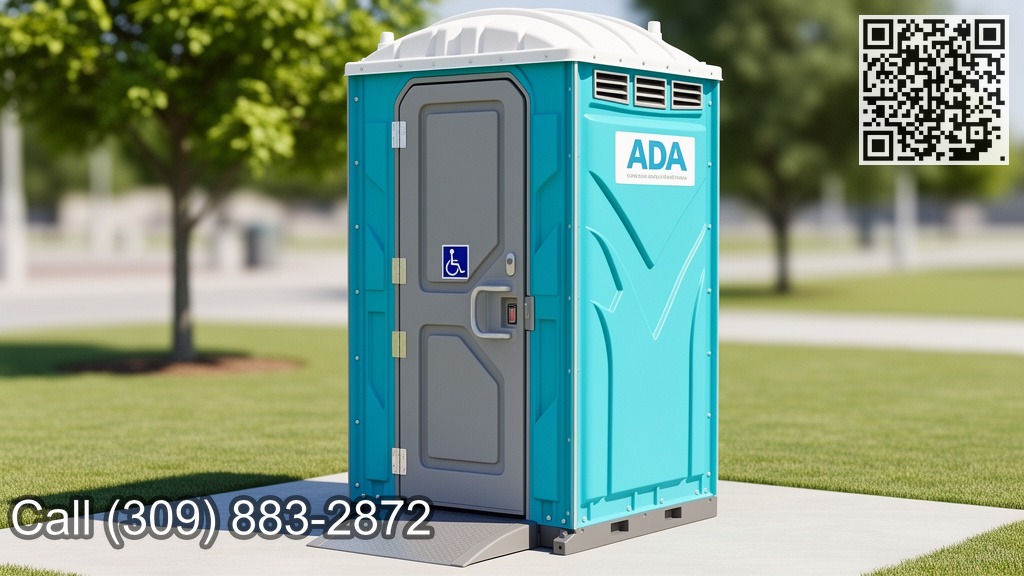
I have seen configurations where the easily accessible unit was technically present, clearly labeled, and still functionally inadequate because a wastebasket, handwash station, or short-term sign framework had actually crept right into the method area. No one idea of those items as obstacles. For the customer, they definitely were.
This is where compassion matters. Ease of access is not about inspecting whether the device got here. It has to do with asking whether an individual can utilize it individually and with reasonable ease.
Temporary events still count
A shocking number of people think ADA expectations loosen when an event is short-term. They do not.
The Accessibility Board assistance makes clear that for collections of portable single-user toilet devices, a minimum of 5 percent in each collection must come, and this uses also at temporary occasions. That matters for concerts, races, food festivals, neighborhood parties, election-day support locations, and calamity response staging. A brief duration does not eliminate the obligation to provide access.
Door handling clearances are especially important in event setups since short-term designs commonly squeeze flow. Camping tents rise. Barriers shift. Solution roads slim. Lines up develop in places no person anticipated. What looked sufficient on a tidy website map can come to be hard after setup.
The sensible lesson is basic. If you are planning a financial institution of mobile devices, do not deal with the available device as the one that can soak up all the remaining spatial compromises. It requires space to function, specifically at the entrance.
Why this matters for self-respect, not simply compliance
People who rely upon easily accessible features notice promptly when a toilet has been dealt with as an afterthought.
The experience can be dissuading in such a way that is difficult if you have actually never ever handled it yourself. A guest may reach a wedding event and understand the "available" washroom exists only in name. A moms and dad assisting a grown-up child may uncover the door location is so cramped that every activity comes to be unpleasant. A person attending a public occasion might choose to leave early rather than encounter the effort and shame of trying to utilize a badly placed unit.
This is not abstract. Restroom access shapes whether individuals stay, participate, work easily, and really feel welcome.
An ada portable bathroom is frequently gone over as equipment. It is also hospitality. It is inclusion. It is danger administration, yes, but it is additionally respect.
The difference in between getting the appropriate device and using it correctly
Many acquiring groups concentrate on item tags. They look for expressions like ada certified mobile commodes, ada-compliant mobile toilets, or ada portable bathroom rental, then assume the tag resolves the problem. It does not.
The appropriate system is just the starting factor. The field setup needs to protect the accessible functions that device was developed to supply. That consists of the route to the washroom, the entrance condition, and the functionality of the door.
A mobile restroom can lose practical accessibility in a number of means after distribution:
- It is put where the approach is obstructed by secure fencing, bins, cords, or event furniture.
- The ground or landing location at the entry is not suitable for a clean, secure approach.
- The system is crowded so firmly against various other short-term structures that the door area becomes hard to use.
- Site modifications after shipment create new barriers that were absent throughout placement.
- Staff think signage alone makes the system accessible.
None of those failures need a defective restroom. They come from choices around it.
Door handling clearances belong to the customer journey
It assists to think of the restroom experience as a series instead of a solitary object.
A person has to find the available unit, reach it by an obtainable route, come close to the entrance, take care of the door, go into, make use of the fixtures, rearrange as needed, and exit securely. If one step breaks down, the whole experience breaks down.
That is why the criteria group door maneuvering clearances alongside other toilet-room technical needs. They belong in the exact same group of basics as turning area and fixture clearances. They are not attractive design choices. They are what make independent use possible.
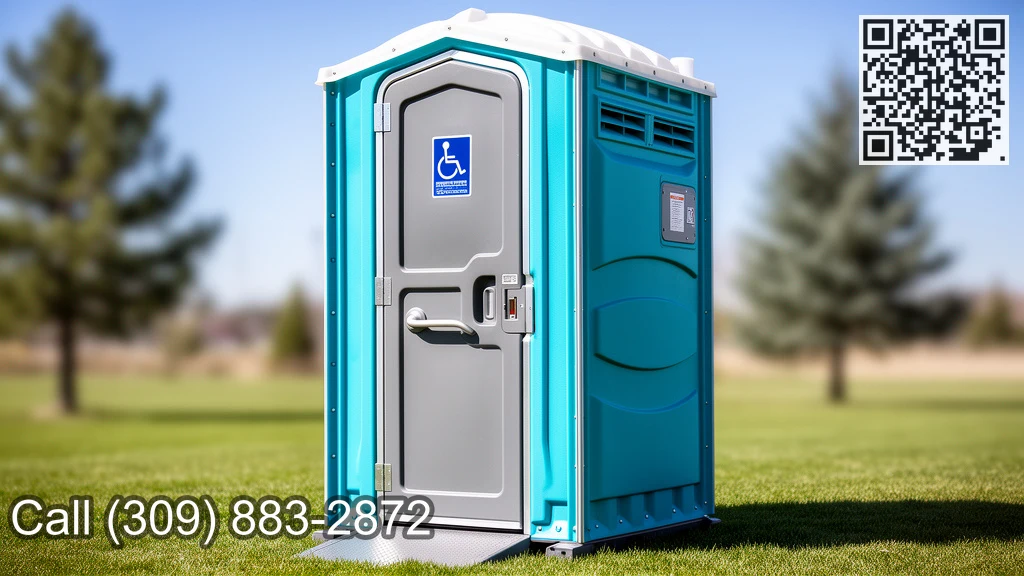
In mobile setups, this can be much more delicate than in permanent building since the setting changes so quickly. Rain modifies surface areas. Crowds press against short-lived fencing. Vendors broaden their footprint. Web traffic cones migrate. Solution distributions obstruct paths. The obtainable problem requires to be protected throughout the occasion or rental duration, not simply attained at drop-off.
Questions worth asking before distribution day
A lot of headaches can be prevented by a brief, straightforward planning discussion. If you are leasing an ada-compliant mobile bathroom, you want to know more than whether one is offered. You need to know whether your site can support its accessible use.
The ideal organizers I collaborate with do not start by requesting the most affordable unit or the narrowest footprint. They begin by describing the site, the target market, the likely website traffic pattern, and who will certainly keep track of conditions after configuration. That causes better decisions.
Here are the questions I would certainly increase early with any mobile restroom carrier or site lead:
- Where will certainly the easily accessible route start, and who is accountable for maintaining it clear?
- What is the precise placement plan around the doorway, not simply around the device as a whole?
- Will any type of ramps or landings be required, and if so, exactly how will certainly compliance be handled?
- How will the easily accessible unit be identified on site so individuals can locate it easily?
- Who will check after setup that surrounding items have actually not jeopardized the entrance area?
That kind of conversation is much more helpful than simply repeating ada portable bathroom demands as an expression. Demands live or pass away in the details of placement and maintenance.
Special note on building sites
There is one nuance that can develop complication. The older 1991 ADA common prominent portable bathroom systems at construction sites made use of solely by construction employees, which were excluded from the portable-toilet availability scoping demand referenced there. That does not imply every construction-related mobile bathroom inquiry goes away under a blanket exemption, and it definitely does not transform the more comprehensive policy https://shanerpzs492.lakeviewbrief.com/posts/ada-compliant-portable-restrooms-a-practical-introduction-of-federal-standards for basic mobile commode rentals and short-lived public-facing situations.
What matters in method is understanding the use situation. If you are taking care of basic services, public occasions, or portable washroom clusters offering guests or a wider user base, accessible-unit demands stay significantly in play. It is not smart to think that "temporary" or "jobsite adjacent" suggests accessibility can be ignored.
Because the line in between workforce usage, visitor gain access to, and public accommodation can obtain muddled quick, cautious preparation is normally the far better path.
A note regarding enforcement and interest to detail
Accessibility compliance is not getting less important. If anything, the broader compliance atmosphere maintains reminding companies that ADA obligations remain to receive serious focus throughout industries. That matters since toilet ease of access is often handled by the exact same institutions that are managing numerous other compliance responsibilities.
What I extract from that is not fear, but point of view. The details matter. An easily accessible portable bathroom is not a token thing to satisfy a list. It belongs to a pattern of functional care. Groups that are disciplined concerning accessibility in one area have a tendency to be much more disciplined in others.
When I see a site where the accessible unit has a clear route, a sensible positioning, noticeable recognition, and an entry area kept cost-free for actual handling, it usually informs me something encouraging concerning the entire operation. Someone assumed it via. A person anticipated actual individuals to use it.
The human requirement behind the technological standard
It is very easy to get lost in the vocabulary of guidelines and item categories: ada compliant portable toilets, ada-compliant mobile washrooms, ada certified mobile commode, ada easily accessible mobile washroom. Those terms assist during purchase, but they can likewise make the concern feel remote and bureaucratic.
The better question is much more direct. Can a person usage this washroom without unneeded struggle?
Door maneuvering clearances rest right inside that question. They are not a side problem. They are one of the practical problems that figure out whether gain access to is genuine.
If you are renting devices for an event, ask to walk the website from the customer's perspective prior to opening. If you are the carrier, do not stop at delivery. Check out the entry area the way a newbie user would certainly. If you are the organizer, protect that room once the site obtains hectic. Ease of access can be undone by one careless positioning of a barrel, indication, or pile of supplies.
An ada compliant mobile bathrooms strategy achieves success when nobody needs to say about whether the available system "matters." It is undoubtedly reachable, certainly usable, and undoubtedly planned genuine human needs.
That is the conventional worth going for. Not due to the fact that it appears good in a contract, yet because it spares people the stressful experience of coming to a restroom that assured accessibility and delivered obstacles instead.
 Ask ChatGPT
 Ask Grok
 Ask Perplexity
 Ask Claude
 Ask Google AI
 Ask You
❧